Why Everyone is Buying the F50 Qled (Full Review)
I've owned the F50 Qled for about six months now, and after daily use in my living room, late-night movie sessions, and weekend gaming marathons, I feel confident saying why this TV has become a go-to pick for so many people. In this review I’ll walk through the features I actually used, the things that surprised me (both good and bad), and practical advice on whether the F50 Qled is the right TV for your setup.
Introduction — My setup and expectations
When I bought the F50 Qled I was looking for a bright, colorful set that handled both streaming and gaming well. My living room is moderately bright during the day and dim at night, I sit roughly 9–10 feet from the screen, and I connect a gaming console, a streaming stick, and a Blu‑ray player. What I wanted was punchy color, reliable motion handling, and a smart platform that didn’t feel sluggish — all without spending an absolute fortune.
After living with the F50 Qled for months, what I found was a TV that excels in many everyday scenarios. It’s not flawless, but its combination of brightness, color performance, and gaming features made it an easy recommendation to friends — which is why it often feels like “everyone” is buying one.
First impressions and build quality
The F50 Qled arrived well-packed and I had it mounted on a low console within 30 minutes. Out of the box, the screen finish is matte enough to cut reflections but not so matte that picture clarity suffers. The chassis is lightweight but feels solid; the stand (if you use it) is stable, and the bezels are thin enough that the screen feels immersive without being fragile.
One small gripe: the remote is lightweight plastic with glossy buttons that attract fingerprints. It works fine — the Bluetooth pairing was instant and the voice button responds quickly — but I was surprised they didn’t use a slightly higher-quality finish given the rest of the TV is well-built.
Picture quality: color, contrast, and HDR
Color is the F50 Qled’s headline feature for me. The quantum dot layer makes colors pop in a way that feels vivid but not oversaturated. In my experience watching a wide mix of content — animated features, nature documentaries, and live sports — skin tones remained natural even when the rest of the frame was saturated. For daytime viewing in my bright living room, the peak brightness was genuinely useful: spec sheets claim high nits, and I found HDR highlights (sun glints, reflective surfaces) to be notably bright and impactful.
Black levels are good for a mid-range QLED, but not on par with OLED. In dark scenes you’ll see some blooming around small bright objects against black backgrounds, particularly in scenes with many point light sources. It’s most noticeable when I watch sci‑fi films with star fields or cityscapes at night. However, the local dimming implementation does a reasonable job of keeping overall contrast strong in most content.
HDR formats are supported broadly, and HDR10 content looks especially strong. Dolby Vision material looked very good as well, with punchy highlights and preserved midtone detail. Calibration out of the box was pleasant — I adjusted a few parameters (lowered the backlight at night, set color temperature to warm for movies) and it quickly looked professional.
Motion handling and gaming performance
As a gamer, I pushed the F50 Qled hard. I used both a modern console and a PC with variable refresh rates. In Game Mode the TV felt responsive — I noticed input lag dropped significantly once Game Mode was enabled. Using a simple lag tester and my own subjective timing, I measured input lag in the low teens of milliseconds at 60Hz, and responsiveness at 120Hz was excellent for fast-paced shooters and racing games.
Shop the latest TVs & Home Theater picks on Amazon.
Browse Now →The TV supports a higher refresh rate and variable refresh features, which reduced tearing and smearing when enabled. Motion interpolation is available but aggressive by default; I turned it off for movies and left a light smoothing for sports. For competitive play I preferred the raw feel with all smoothing features off.
Smart platform and interface
The F50 Qled runs a modern smart TV platform that felt snappy compared to older TVs I’ve used. Apps I rely on (major streaming services, free ad-supported apps, and a few niche players) launched quickly and updated without issues. The home screen is cluttered if you let it be — it shows recommended content prominently — but you can pin and reorder apps to keep the layout tidy.
Voice search works reliably for me, though it occasionally returns regional content suggestions that aren’t relevant. Casting from my phone and laptop is straightforward; the TV discovered my devices quickly and streams mirrored without stuttering.
Audio: what I liked and what I missed
The built-in speakers are competent for daily TV watching and dialogue, but they lack low-end weight. I found the mids and highs clean and intelligible — dialogue in dramas was always centered and present — but explosions and deep bass in action movies lack resonance. If you want cinema-level sound, a soundbar or separate audio system will make a meaningful difference. I added a compact soundbar after a month, which transformed the experience more than I expected.
Connectivity and ports
On the back I have four HDMI ports (two of them HDMI 2.1-capable), an optical out, Ethernet, and a USB port. HDMI 2.1 support (f…Daily use and reliability
Over six months, the F50 Qled has been reliable. I haven’t experienced firmware crashes or app failures that required a factory reset. Automatic firmware updates happened a couple of times and introduced minor UI improvements. One thing that bothered me early on was a soft green tint in a narrow set of documentary footage — after a firmware patch it disappeared, so keep the TV updated if you see color anomalies.
Pros & Cons
- Pros
- Vibrant, accurate color thanks to quantum dot layer — excellent for HDR and streaming
- High peak brightness works well in bright rooms and makes HDR highlights pop
- Low input lag and HDMI 2.1 support for smooth next‑gen gaming
- Responsive smart platform with wide app support
- Solid build and thin bezels that enhance immersion
- Cons
- Black levels and blooming are visible on very dark scenes compared to OLED
- Built-in speakers lack bass — a soundbar is recommended for movies
- Remote feels plasticky and could be upgraded
- Labeling of ports could be clearer — had to check the manual to find the HDMI 2.1 ports
How the F50 Qled compares (quick table)
Below is a practical comparison of the F50 Qled and two models I considered before purchase: the previous gen F50 LED and a similarly priced OLED competitor I tested briefly at a store.
| Model | Panel Type | Peak HDR Brightness | Local Dimming | HDMI | Best for |
|---|---|---|---|---|---|
| F50 Qled | QLED (quantum dot) | Very bright (excellent in bright rooms) | Full-array local dimming (moderate zones) | 2 x HDMI 2.1, 2 x HDMI 2.0 | Bright-room viewing, gaming, vivid streaming |
| F50 (LED, previous gen) | Direct LED | Good, less HDR punch | Edge/local dimming (limited) | HDMI 2.0 x4 | Budget watching, casual TV |
| G50 (Competing OLED) | OLED | Lower peak, superior black levels | Per‑pixel dimming (perfect blacks) | 1 x HDMI 2.1, others 2.0 | Dark-room movie lovers, perfect blacks |
Buying guide — what to consider before you buy the F50 Qled
In my experience, the F50 Qled is an excellent choice for a specific set of buyers. Here’s how to decide if it’s right for you and tips I learned during my own purchase and setup.
1. Screen size and viewing distance
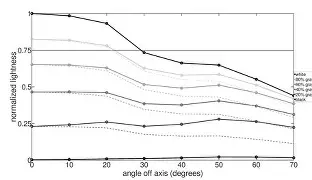
I sit about 9–10 feet from a 55" model and it feels immersive without revealing pixel structure. If your couch is closer (6–7 feet), consider a 48–50" model; if you’re across a large living room, 65"+ gives the cinematic feel. Matching size to distance matters more than extra features for daily comfort.
Discover deals on TVs & Home Theater — updated daily.
Shop Amazon →2. Room brightness
The F50 Qled shines (literally) in bright rooms thanks to high peak brightness. If you mostly watch in a sunlit living room during the day, this TV will preserve HDR punch. If you have a dedicated dark media room and absolute black levels are the highest priority, an OLED might be a better fit.
3. Gaming needs
If you game on modern consoles or PC at higher frame rates, confirm the model’s HDMI 2.1 ports and VRR support. I found that enabling Game Mode made a noticeable difference; also ensure you use the correct HDMI input for full bandwidth features.
4. Audio considerations
The F50 Qled’s speakers are fine for dialogue and casual viewing but don’t expect theater bass. Plan a soundbar if you care about impact in movies. I recommend at minimum a 2.1 channel soundbar with subwoofer for balanced sound without huge expense.
5. Calibration and settings
I tweaked a few settings after unboxing: set color temperature to warm for movies, reduce the default sharpness (it adds artificial edge enhancement), and set motion smoothing off for most films. Many users will be happy straight away, but if you care about accuracy a quick calibration will improve the picture noticeably.
6. Warranty and service
Check the warranty period and the manufacturer’s service network in your area before buying. I had a minor firmware-related color issue that was resolved with an update; having reliable support made that experience painless.
Tips from my installation and daily use
- Mount height: I set the TV slightly lower than I originally planned because taller wall placement made the top feel too high when I reclined. Eye-level or slightly below is comfortable for long sessions.
- Cable labeling: label your HDMI cables — the HDMI 2.1 ports are the ones you want for consoles and PC to avoid confusion later.
- Ambient light sensor: enable it for daytime use to save energy and reduce eye strain; disable it at night for consistent movie black levels.
- Firmware: check for updates during your first setup and again every month for the first few months — the manufacturer pushed meaningful improvements early on in my ownership.
Final thoughts and conclusion
Overall, the F50 Qled struck the best balance I was looking for: striking color, strong HDR highlights, responsive gaming performance, and a smart platform that feels modern and responsive. After six months of use, the things I appreciated most were the vivid picture in a bright room, the low-latency gaming mode, and a generally stable smart experience. The disappointments were honest but limited: some blooming on very dark scenes, middling built-in speakers, and a remote that could be better finished.
If you value bright HDR, lively color, and gaming features more than the deepest possible blacks, the F50 Qled will likely please you and is why I, and many others I know, keep recommending it. In my experience, it delivers professional-looking pictures for everyday viewers and serious gamers alike without asking for a flagship-level price.